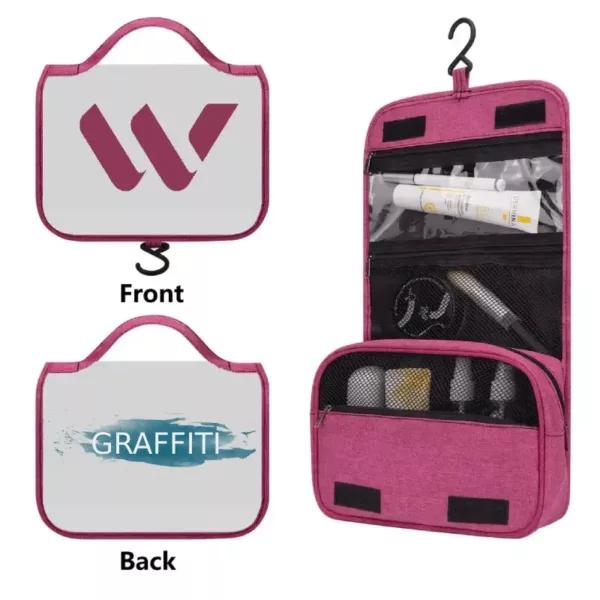
CB-664 · Makeup Bag
Wholesale Travel Makeup Bag for Women, Custom Pattern Cosmetic Bags
- MaterialPolyester
- Dimensions27 x 23 x 2.5 cm, 0.18kg
- ColorCustomized Made
- Custom LogoAccept Customized Logo
Lead time
| Quantity | Production time |
|---|---|
| 1-200 pieces | 25 days |
| > 200 pieces | To be negotiated |
Paid sample in 1-10 days. 24-hour response on every inquiry.
Why buyers pick this style
- Patterns with personality. Each bag comes in Bean, Coral, Leaf, or Rose designs, so your line gets variety without extra SKU work. The prints are bright and detailed, drawn from abstract florals and tropical plants.
- Built for daily use. The polyester shell is tough enough to handle being tossed in a backpack or handbag. It resists the scuffs and pulls that come with regular travel and everyday carry.
- Keeps contents dry. The fabric is splash-proof and the zipper is sealed, so a small spill inside your bag won't soak through. That's practical protection for cosmetics, toiletries, or small electronics.
- Light and packable. At 27cm by 23cm by 2.5cm and 0.18kg, it slips into a purse or carry-on without adding bulk. It's sized for a full makeup routine but still compact enough for a weekend trip.
- Eco-conscious material. The polyester is recyclable, which supports brands that want to reduce environmental impact. You can mention that in your own product story without changing the bag's performance.
A practical travel makeup bag that brings color and structure to your cosmetic line. It's made from durable polyester, offered in four distinct patterns, and designed with a splash-proof shell and sealed zipper. The size works for daily carry or weekend trips, and the recyclable material gives you a simple sustainability angle for your customers.
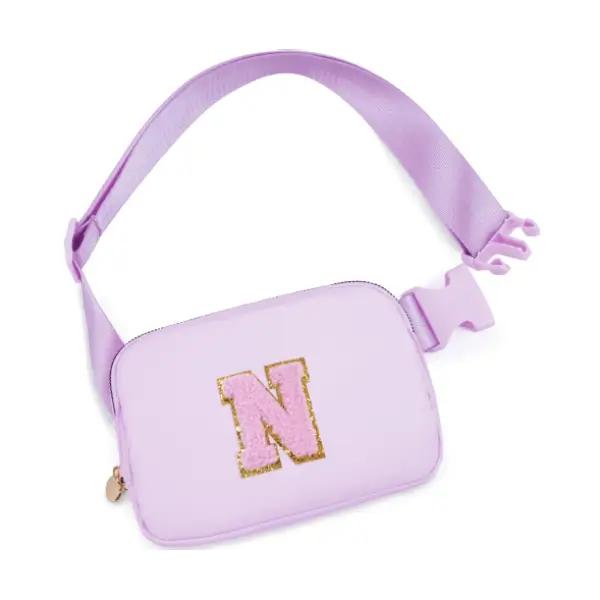
Ready to sample your cosmetic bag line?
Send your brief and reference photos. Paid samples in 1-10 days, revisions in 2-3 days.
What this construction is good at, and where it is the wrong choice
Polyester is a workhorse shell material. It holds printed pattern detail well, resists scuffs from everyday carry, and keeps its shape when the bag is tossed into a larger tote. But it has limits. A splash-proof shell and sealed zipper delay moisture. They do not make the bag liquid-tight under pressure. If a buyer plans to sell this for wet swimwear or a spilled foundation bottle carried upside down, that's the wrong application. The bag is also slim at 2.5 cm. That flat profile makes it packable and easy to stack in a purse. It won't hold a full-size hairbrush standing upright, though. You're buying a flat lay organizer, not a structured case.
Think about where this fits in a line. Say a buyer who sells travel sets wants a printed pouch that adds color without adding bulk. This works. A buyer who sells professional makeup artists and needs a wipe-clean, leakproof, structured train case should look elsewhere. The same polyester that takes a bright floral print won't give you the rigid base of a molded case.
| Published spec | What it means in use | What to watch for |
|---|---|---|
| Polyester | Good print clarity and scuff resistance; recyclable story for your brand | Not inherently waterproof; splash resistance depends on coating and seam sealing |
| 27 x 23 x 2.5 cm | Flat, packable silhouette for daily carry or weekend trips | Limited depth; bulky items will distort the shape |
| 0.18kg | Light enough to add to a purse or carry-on without noticeable weight | Light weight means thin shell; check seam strength at zipper ends |
| Sealed zipper | Slows liquid escape from small spills inside | Sealed does not mean leakproof; confirm test conditions if you make a claim |
| Four patterns | Variety without extra SKU work; Bean, Coral, Leaf, Rose | Pattern placement varies by cut; confirm repeat and panel alignment |
The dimensions matter more than they first appear. A 2.5 cm depth means the zipper tape and side gusset are doing very little work. Most of the bag is two flat panels sewn together. That's cheap to produce and easy to print. It also means any stiff item, like a compact mirror case, will create a visible bulge. Buyers who want a more forgiving silhouette should consider a gusseted pouch, like the styles on our custom cosmetic pouch page.
How buyers customize this SPU, and what each change does to tooling, cost or lead time
Most changes here are routine, not structural. You can switch the print to your own artwork, change the zipper pull color, add a woven label, or swap the lining. None of these changes new tooling. They affect prepress time and approval cycles more than production speed. A new print needs file setup and color matching. A new zipper pull needs hardware sourcing. Both are normal for a custom order.
Pantone matching is available, and the factory works to ΔE≤2.0 on solid colors. That's a tight visual match, but it applies to the approved sample, not to a first strike-off. Buyers usually confirm the Pantone target and then approve a lab dip or printed swatch before production. The four published patterns are already fixed. If you want your own pattern, you supply the artwork and the factory maps it to the panel size.
Logo method changes the runway. A woven label has a lower setup threshold than a metal plate, but it still needs loom time and a strike-off. A heat-pressed PVC logo is faster to sample but may not suit a soft polyester shell. Laser engraving on a coated fabric can burn the coating if the settings are wrong. Say a buyer wants a debossed logo on a 2.5 cm flat bag. That works on the front panel, but it will show through on the inside if the shell is thin. You need a backing patch or a liner to hide it. That's a small change with a real cost and time impact.
What about dimensions? Changing the length or width is routine. Changing the depth from 2.5 cm to, say, 5 cm is not. That changes the gusset, the zipper length, and the panel shapes. It's a new pattern, not a tweak. Same with adding a hanging hook. The hook itself is cheap, but the attachment point needs a reinforcement patch because the full load concentrates at one spot. Buyers who want a hook should expect a sample revision and a slightly longer runway. For a deeper or more structured option, see our bulk makeup bags page.
What to confirm before you approve sampling on this product
Three things cause most rework on a flat printed pouch. First, print placement. On a 27 x 23 cm panel, a pattern that looks balanced on a screen may fall awkwardly across the zipper line or wrap the side seam. Confirm the repeat size, the panel split, and whether the pattern is mirrored across the top and bottom panels. Second, zipper behavior. A sealed zipper on a thin polyester shell can pucker if the tape is too stiff for the fabric. Ask for a sample with the actual zipper, not a substitute. Third, seam allowance at the corners. A flat bag with sharp corners is easy to sew, but the corners are the first place a scuff or a pull shows up. Check that the corner radius is consistent and that the seam is not trimmed too close.
Write these into the approved sample: the exact Pantone reference for any solid color, the zipper type and pull finish, the lining material, and the placement of the logo or label. Also confirm the recyclable polyester claim. Recyclable does not mean recycled content. If you plan to tell your customers the material is recyclable, make sure the fiber content and coating are documented. A coated polyester may not be accepted in every municipal recycling stream. That's a marketing decision, not a production one, but it's worth settling before you print your packaging.
Sampling is paid, and the factory turns samples in 1 to 10 days. Revisions run 2 to 3 days. Use that window to test the bag with the actual items your customer will carry. A 2.5 cm bag holds a flat brush set beautifully. It won't hold a jar of moisturizer and a full-size mascara tube without bulging. If the sample fails that test, you have the right answer before you commit to production. For a different material story, compare with our clear PVC makeup bags or the mesh cosmetic bags options.