Wholesale Cosmetic Bags: MOQ and Sampling Explained
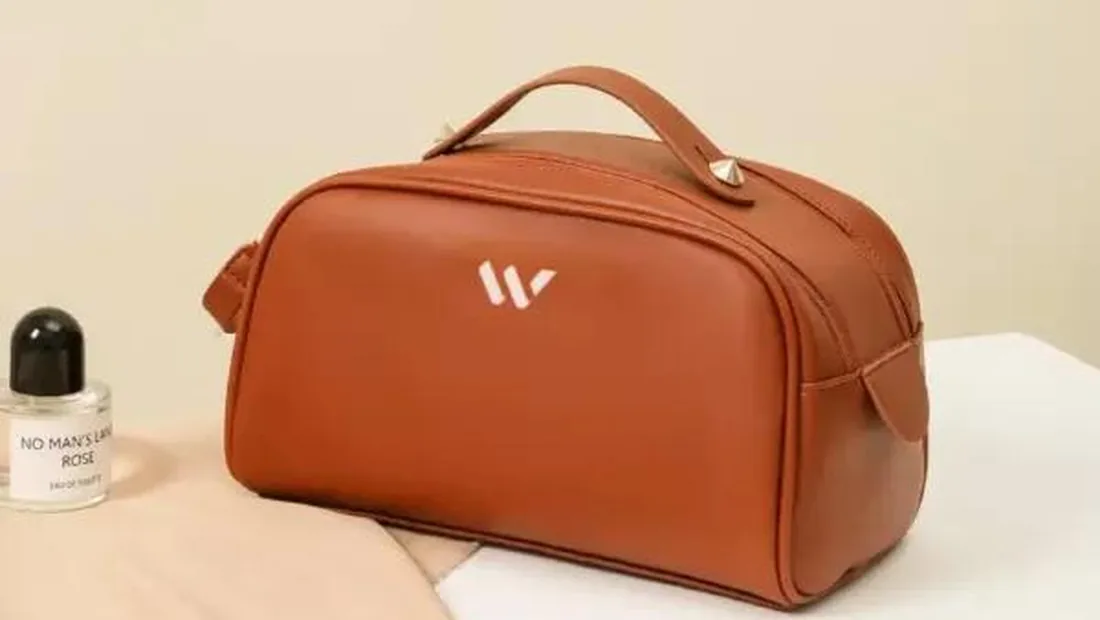
Wholesale cosmetic bags rarely start with the price per bag. They start with a minimum order quantity. A buyer asking for 200 pieces in three colors hears one number. A buyer asking for 5,000 pieces in one color hears a different number. The gap is not a discount trick. It is how the factory buys materials and sets up production.
Most MOQ confusion comes from treating a bag as one item. It is not. A cosmetic bag is fabric, zipper, lining, thread, label, maybe a print, maybe a metal puller. Each of those has its own minimum at the supplier level. The factory rolls them into one finished-goods MOQ and hands it to you. Understanding that stack is the difference between a quote you can actually order and a number that looks cheap but quietly doubles your per-unit cost.
What Actually Builds a Cosmetic Bag MOQ
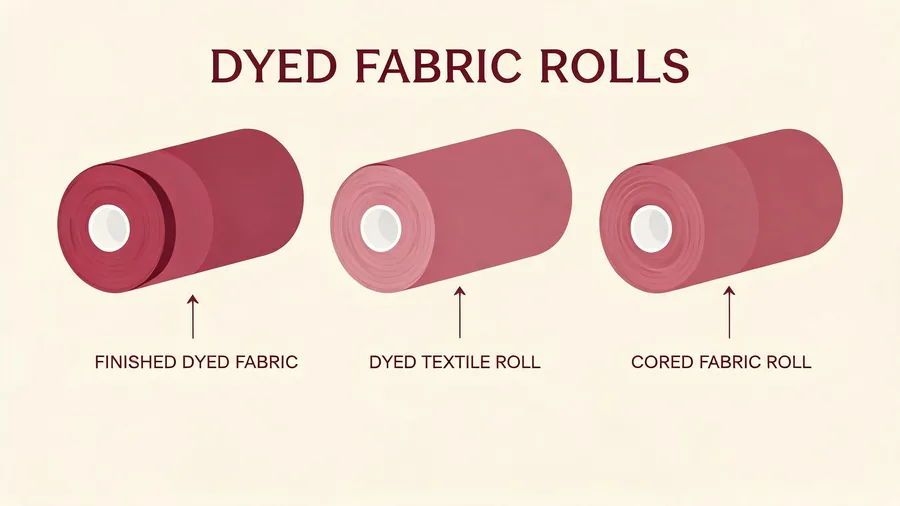
Fabric is the first driver. Mills sell dyed fabric by the roll, and a roll has a fixed length. If your bag uses a custom color, the mill needs enough yardage to justify setting up the dye bath. That minimum applies per color. Order three colors and you are committing to three dye lots, even if the total piece count looks healthy.
The same logic applies to printed fabric. Screen setup, strike-off approval, and print registration all take time and material before the first usable meter comes off the line. A buyer who wants a custom print but only 300 bags may find the print setup cost exceeds the fabric cost. That is not a penalty. It is the real cost of running a short print job.
Hardware is the third layer. A standard zipper with a common puller is easy. A custom-shaped metal puller with your logo requires a mold. The mold cost is fixed, whether you order 500 pieces or 50,000. The per-unit impact drops sharply as volume rises. That is why a custom puller on a 500-piece order can add more to the unit price than the bag itself.
Then there is the sewing line. A factory line needs enough pieces to keep operators working at a steady pace. Short runs mean more changeovers. Changeovers mean downtime. Downtime is priced into the quote. A factory may accept a low MOQ to win the account, but the per-unit price will reflect the inefficiency.
Why a Low MOQ Can Still Be Expensive
Some suppliers advertise very low MOQs for wholesale cosmetic bags. The MOQ is real. The price is also real, and it is higher per unit than a larger order. Here is the breakdown of where that money goes.
On a 500-piece order in one color, the factory buys one dye lot, cuts one production run, and ships one batch. On a 500-piece order in five colors, the factory buys five dye lots, runs five cutting sessions, and manages five batches of finished goods. The piece count is the same. The cost is not.
Custom hardware makes it worse. A mold for a metal logo puller might cost several hundred dollars. Spread across 10,000 pieces, it is pennies. Spread across 500 pieces, it is a visible line item. Some factories absorb the mold cost and raise the unit price. Others bill it separately. Either way, the buyer pays.
Printing follows the same curve. A screen for a custom logo has a setup fee. The screen can print thousands of bags. If you order 300 bags, the setup fee is spread over 300 units. If you order 3,000, it is spread over 3,000. The screen cost is identical. The per-unit impact is ten times larger on the small order.
None of this is hidden. A good factory will show you the cost drivers when you ask. If a quote looks too cheap for a low MOQ, ask what is being cut. It is usually fabric quality, hardware finish, or inspection time.
The Sampling Sequence: Four Stages, Four Purposes
Sampling is not one step. It is a sequence, and each stage answers a different question. A buyer who skips a stage to save time usually pays for it later in production rejects.
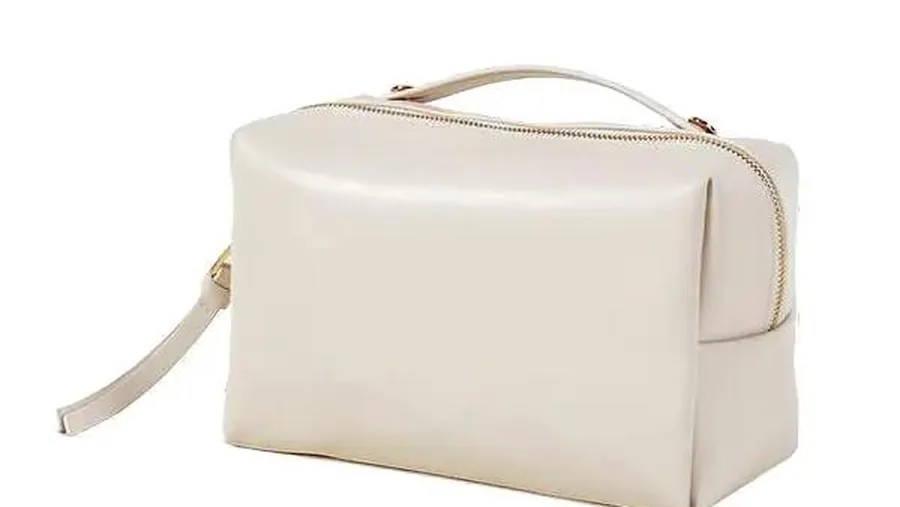
The proto sample comes first. It answers a basic question: does the concept work? The factory uses whatever materials are on hand to build a rough version of the bag. Dimensions may be off, the zipper may not be final, and the color is irrelevant. You are checking shape, proportion, and construction logic. Do not fall in love with the proto. It is a sketch in fabric.
The fit sample comes next. For a cosmetic bag, "fit" means the relationship between the body, the lining, the zipper opening, and any internal pockets. Does a standard makeup brush fit in the side pocket? Does the zipper open wide enough to reach the bottom corner? These are ergonomic questions. The fit sample uses materials closer to production spec, but not necessarily the final colors or hardware.
The pre-production sample, or PP sample, is the dress rehearsal. It uses the actual bulk fabric, the actual lining, the actual zipper, the actual label, and the actual print. This is the sample you approve for mass production. If there is a color mismatch between the lab dip and the bulk fabric, this is where you catch it. If the logo placement is 3 mm off, this is where you decide whether that matters.
The golden sample is the approved reference. You sign it, the factory keeps one, and every production batch is compared against it. The golden sample is not for discovering problems. It is the standard for judging whether problems exist. Treat it as a contract. If the factory ships bags that do not match the golden sample, you have grounds for a claim.
Who Pays for Samples, and What a Paid Sample Buys
Samples are paid. This is standard in cosmetic bag manufacturing. A factory that offers free samples is either building the cost into the unit price or sending you a stock item with no custom work. Neither helps you evaluate a custom product.
A paid sample buys you three things. First, it buys the factory's time at the sample room, which is separate from the production line. Second, it buys the actual materials and hardware specified for your bag. Third, it buys the factory's commitment to produce what you approved. A factory that invests in making your sample correctly is a factory that intends to win the production order.
Sample costs vary by complexity. A simple custom cosmetic pouch with stock fabric and a standard zipper costs less to sample than a structured bag with a custom print, custom puller, and multiple internal compartments. The sample fee is usually credited back against the production order if you proceed. Ask before you pay.
The timeline also matters. A proto sample can be ready in a few days. A PP sample with custom printed fabric and custom hardware can take two weeks or more, depending on material lead times. Build that into your launch calendar. A buyer who approves a golden sample on Friday and expects production to start Monday is setting up a delay.
Three Buyer Scenarios and How to Structure the First Order
Here are three common situations we see from buyers sourcing wholesale cosmetic bags. The numbers are illustrative, not quotes, but the logic applies.
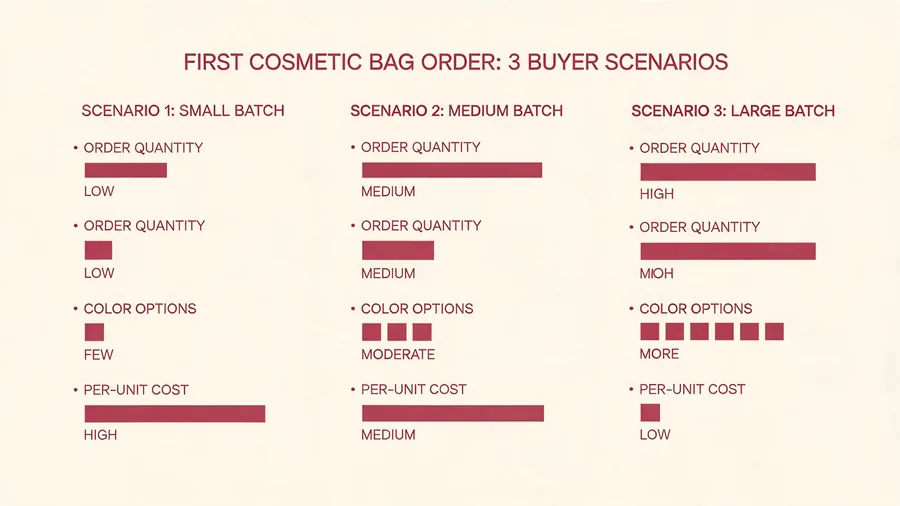
Scenario one: a new brand testing the market. You want 300 bags in two colors with a simple printed logo. Your MOQ is driven by the print setup and the two dye lots. The per-unit price will be high. The smart move is to order one color, not two. Use a stock fabric color and a woven label instead of a print. That keeps the first order simple and the per-unit cost lower. You can add colors and prints on the reorder once you know the sell-through.
Scenario two: an established brand filling a gap. You need 2,000 bags in four colors with a custom metal puller. The mold cost is fixed, so the per-unit impact is modest. The four dye lots are manageable. This is a healthy order size for a factory. The risk is color approval. Order lab dips for all four colors before committing to the PP sample. One wrong color can hold up the entire order.
Scenario three: a distributor buying stock styles. You want 10,000 bags across several stock designs, no custom hardware, no custom print. Your MOQ is met easily. The per-unit price should be competitive. The risk shifts to consistency. Request a golden sample for each design and specify the inspection standard before production. AQL sampling is your friend here. The exact AQL level is set in the approved specification, not assumed.
| Scenario | Order size | Main MOQ driver | Risk to manage | First-order structure |
|---|---|---|---|---|
| New brand testing | 300, 500 pcs | Print setup, dye lots | High per-unit cost | One color, stock fabric, woven label |
| Established brand | 2,000, 5,000 pcs | Custom hardware mold | Color approval delays | Lab dips first, then PP sample |
| Distributor stock | 10,000+ pcs | Consistency across designs | Batch variation | Golden sample per design, defined AQL |
How to Talk to a Factory About MOQ
Do not open with "What is your MOQ?" Open with your product. The MOQ conversation changes completely once the factory knows the fabric, the print, the hardware, and the target price. A generic MOQ is a starting point. A product-specific MOQ is a commitment.
Ask these questions in order. What is the fabric roll minimum for my color? What is the screen setup cost for my print? Is there a mold fee for the custom puller? What is the sample fee and is it credited against production? What is the lead time for a PP sample with my actual materials?
If the factory cannot answer those questions quickly, keep looking. A supplier who quotes a finished-goods MOQ without understanding the component minimums is guessing. You are not buying a guess.
For buyers who want to compare construction options before committing to a sample, our bulk makeup bags page shows how different materials and hardware affect the finished product. And if you are evaluating clear or mesh styles, the clear PVC makeup bags and mesh cosmetic bags pages explain what changes in the MOQ calculation for those materials.
Wholesale cosmetic bags are a negotiation between what you want and what the supply chain can deliver efficiently. The MOQ is not a wall. It is a map. Read it correctly and you will know exactly where your per-unit cost comes from, and exactly what to change to bring it down.
Frequently Asked Questions
What is a typical MOQ for wholesale cosmetic bags?
It depends on the product. A simple stock fabric pouch with no custom print or hardware can start around 500 pieces. Add a custom color, custom print, or custom zipper puller and the MOQ rises because each component has its own supplier minimum. Ask the factory to break down the MOQ by component, not just give one finished-goods number.
Do I have to pay for cosmetic bag samples?
Yes, samples are paid. This is standard. The fee covers the sample room time, materials, and hardware for your specific design. Most factories credit the sample fee back against the production order if you proceed. A free sample is usually a stock item, not a custom product.
Why is my per-unit price so high on a small order?
Because fixed costs like dye lot setup, screen setup, and custom hardware molds are spread over fewer pieces. A 500-piece order in one color is cheaper per unit than a 500-piece order in five colors. The total piece count is the same, but the number of setups is different.
What is a golden sample and why do I need one?
A golden sample is the approved reference sample made with actual bulk materials. You sign it, the factory keeps one, and every production batch is compared against it. It is the standard for judging whether the finished bags match what you approved. Without it, disputes about color, stitching, or hardware finish become subjective.